- Auctions
- Buying & Selling
- Departments
- Asian & Oriental Art
- Books, Maps & Manuscripts
- Ceramics & Glass
- Coins & Banknotes
- Furniture & Antiques
- Jewellery & Gemstone Auctions
- Military, Militaria & Medals
- Modern Art & Design
- Music & Audio
- Paintings, Pictures & Prints
- Period Oak & Metalwork Auctions
- Retro & Quirky
- Toys, Games & Collectables
- Tribal & Ancient Art
- Scientific & Maritime
- Silver & Gold Auctions
- Watches & Clocks Auctions
- Valuations
- Contact
We are inviting consignments to all our specialist auctions. Contact us to arrange for your free auction valuation on 01449 673088 or email enquiries@bm-auctions.co.uk, or Whatsapp images to us on 07377 885 423.
Search
Close

Selling Gold at Auction
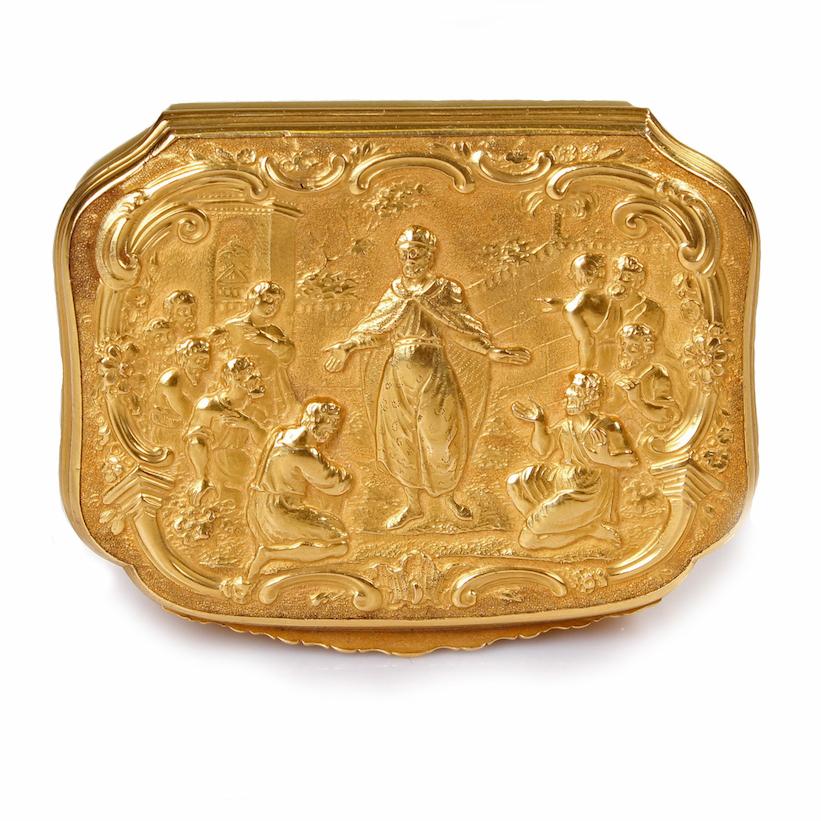
Before you sell a gold object, it is worth finding out what you have. Metal content is one part of its value, but a piece may also interest buyers for its maker, design, age or history. Bishop & Miller can assess its suitability for auction and explain the next steps.
We welcome enquiries about individual gold objects and mixed collections. You do not need to identify the marks or know the carat before contacting us.
Contact

Russell Cole
Head of Probates & Valuer
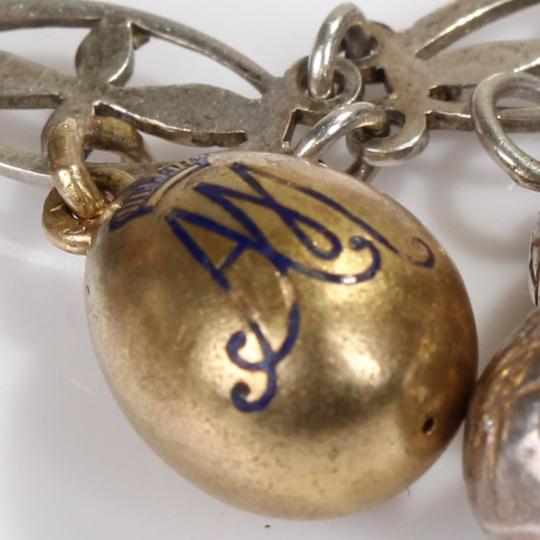
What sort of gold are you selling?
This page is for owners considering an auction sale, including those with decorative or personal gold objects. A small box or case, for example, needs to be assessed as an object as well as for its metal. Not every gold item will be best suited to auction; the first step is to ask.
If you have rings, bracelets, necklaces or other jewellery, our Jewellery & Gemstones department covers that specialist area. The Watches & Clocks department handles gold watches, while Coins & Banknotes is the route for gold coins.
You can still make one enquiry about a collection that includes several types of item. Send an overview and we will help identify the right sale route for its contents.
Gold marks and carats
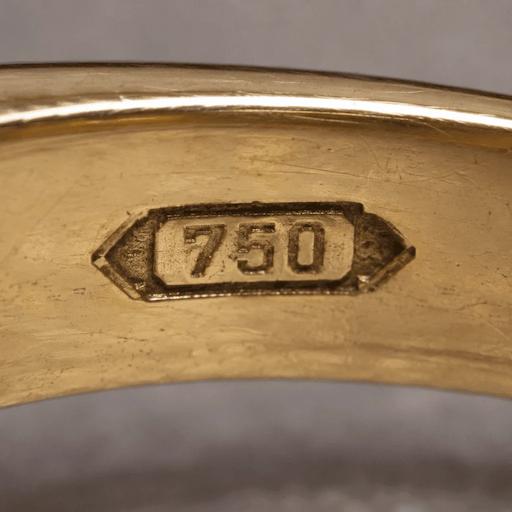
Carat describes the proportion of gold in an alloy. Common fineness numbers include 375 for 9 carat gold and 750 for 18 carat gold. These numbers form part of the picture; they need to be considered with the other marks and the object itself.
Gold plating is different from an object made from a gold alloy throughout. A gold-coloured surface alone cannot establish what lies beneath it. Photograph every stamp you can find, including words as well as numbers.
If there are no clear marks, you can still ask for advice. Please do not scratch, file or test the object yourself before speaking to us. We can discuss what assessment may be needed.
What affects a gold auction estimate?
Metal standard and construction
A gold object may contain an alloy, plating or parts made from other materials. Clear photographs of its marks are a useful starting point, though further checks may be needed. Describe any stones, enamel, fittings or other features rather than relying on its total weight alone.
Maker, craft and design
The design and quality of work can help explain why a buyer would seek out a particular piece. Share any maker’s name, old invoice or previous catalogue description you have. These details provide a starting point for research, rather than a guarantee of value.
Condition and alterations
Tell us about dents, damage, repairs or missing parts. Include close-up photographs of those areas. Later changes may affect how an object is described and what buyers are prepared to pay for it.
History and supporting records
Keep receipts, fitted cases and documents with the piece. If it has been passed down through the family, tell us what is known and what is uncertain. A clear history is more useful than a firm claim that cannot be checked.
Auction value and gold content
An offer based on metal content and an auction estimate answer different questions. A metal-based assessment looks at the precious metal in the item. An auction assessment also considers whether buyers may want to own it as a complete object.
That does not mean auction will always produce a higher return. Selling fees, the likely level of bidding and the time involved all need to be considered. Ask us to explain the estimate and costs so you can make an informed choice.
We do not quote a universal price per gram on this page. The metal standard must be established, and the weight of the whole object may include parts that are not gold. A useful assessment needs to account for what the item actually contains.
How selling gold at auction works
Send photographs of the whole object, close-ups of the marks and a brief description. Give its dimensions, where it is located and anything you know about its history. If you have a weight, include it, but do not worry if you cannot provide one.
We will discuss its suitability for auction, any need for an inspection and a possible estimate. Before you decide to consign, ask about reserve options, commission and other agreed charges. The selling guide sets out current terms and valuation options.
An estimate is a guide to a possible auction result. It is not a fixed purchase offer. Make sure you understand the likely deductions from the sale price and what happens if the item does not sell.
Inherited gold and mixed collections
You may have a mixture of jewellery, coins, silverware and small objects whose purpose is unclear. Keep them together for the first enquiry, with any documents that relate to them. There is no need to decide what should be sold for its metal before getting advice.
If you need a formal estate or insurance valuation, use our probate and insurance valuation service. Please make that purpose clear, as a free auction estimate is a different service.
Our Silver & Gold department introduces the wider field. For silverware within a mixed collection, see silver auctions and valuations.
Buying gold objects at auction
Read the catalogue description carefully, including the stated metal, marks, dimensions and condition. Ask about any point that is unclear before bidding. Do not assume that a total weight describes gold content alone.
Check the auction calendar for available catalogues. Our buying guide explains registration and bidding. Allow for the buyer’s premium, VAT and any other applicable costs when setting your budget.
Request a gold auction estimate
Use the form below to tell us about your gold object or collection. Add clear photographs and any supporting details you hold. We can then discuss whether auction is a suitable route.
Tailored Auction Alerts
Please select all that apply and we'll send you alert when catalogues become available. You can update your alerts or unsubscribe at any time.
Please select...
Contact The Team