Fine Art & Antiques
Thursday 17 December 2026
Stowmarket, Suffolk Saleroom
Starting at 10am
Free auction valuations: send photos online or WhatsApp 07377 885 423.

Bishop & Miller’s Asian & Oriental Art department brings Chinese and Japanese ceramics, jade, bronzes, paintings, textiles and works of art to auction. Whether you are selling an inherited object, considering a collection or looking for your next purchase, our team can help.
You do not need to identify a maker, mark or period before asking for advice. Send photographs and the details you hold, and we can discuss an auction estimate and the next steps.
Request a free Asian art auction valuation
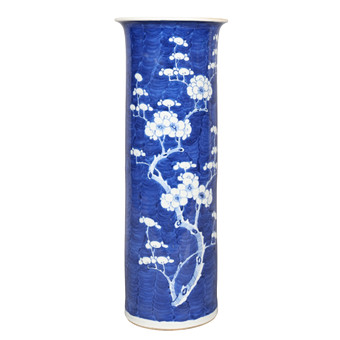
The department handles enquiries about Chinese porcelain and other ceramics, from individual bowls and vases to collections. Include photographs of the whole object, decoration and base, with a close-up of any marks. Tell us about repairs, chips or other damage you know of.
Carved jade, bronze vessels, cloisonné enamel and carved figures form part of the field. A small object can still merit an assessment. Show it from more than one side and include its dimensions, any inscriptions and supporting records.
Chinese paintings, textiles and furniture can be considered alongside other objects in a collection. For pictures, show the image, inscriptions and any visible labels. For textiles and furniture, include an overall view before focusing on details.
You may have been told a piece is Ming or Qing, or associate it with a particular reign. Share that information and explain its source, rather than feeling you need to confirm a date yourself.
Our Japanese art field includes ceramics, paintings, prints and works of art. Photographs of the whole object and any signatures, seals or marks provide a useful starting point. Keep boxes, labels and purchase records with the pieces they relate to.
A collection may also contain Tibetan, Korean, Southeast Asian, Indian or Islamic works of art. Tell us about those in the same enquiry. We can discuss the assessment needed and the most suitable sale route for individual objects.
For Japanese swords or related military objects, our Military, Militaria & Medals department provides a related specialist route. There is no need to decide which department should handle an item before contacting us.
An assessment looks at the whole object, including its material, construction and decoration. Photographs may allow an initial view, though an inspection or further research may be needed before a description and estimate can be confirmed.
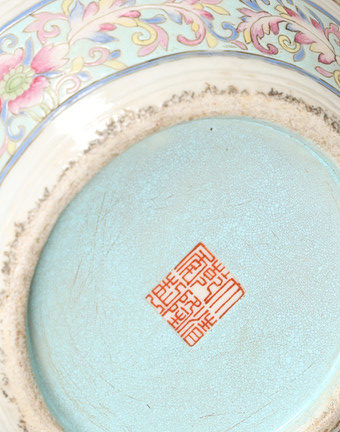
A mark or inscription is evidence to consider alongside the object, rather than proof of its date on its own. Send a clear photograph of the full mark in context. You do not need to translate it or rely on an online identification before asking for advice.
Tell us about damage, restoration, missing parts or changes you know of. Photograph those areas as well as the main decoration. A clear account helps us assess the piece and provide buyers with useful information.
Receipts, old photographs, exhibition records and previous catalogue entries can help with research. Let us know what is documented and which details come from family memory. An estimate also takes account of the market for comparable objects.
A free auction valuation is a guide to a possible sale result. It is different from an insurance replacement value or a fixed purchase offer.
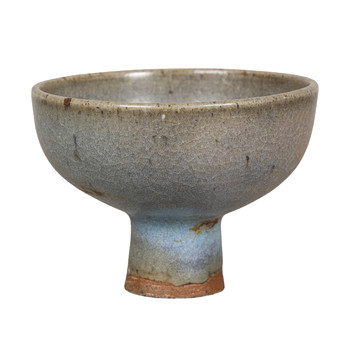
Start with photographs and a short description of what you are considering selling. You may have a single inherited vase, a group of carvings or a collection built over years. Tell us its location and whether there is a deadline to work towards.
We will discuss suitability for auction, the estimate and a possible sale route. Before you consign, ask about reserve options, commission and any other agreed costs. Our selling guide explains current terms and the ways to arrange a valuation.
For a large collection, begin with an overview rather than moving everything to a saleroom. We can discuss whether an appointment or home visit would be the most useful next step.
Photograph the whole piece in good light, then show the back, base and any visible marks. Include close-ups of decoration and condition issues. Give dimensions in centimetres and say whether a stand, cover, case or other part belongs with it.
For ceramics, show the rim, foot and interior where accessible. For carvings and bronzes, views from several sides can help. For a framed work or mounted textile, explain what you can see without taking it apart.
There is no need to clean, polish or repair an object for the first enquiry. Ask for advice before making changes. Do not lift heavy pieces or remove fragile works from their frames just to photograph them.
Keep records with the objects they describe. If you have an old valuation, invoice or auction catalogue entry, send a copy and explain which piece it relates to.
Inherited collections often come with limited information. You can still ask for an assessment. Give an outline of the group, identify any pieces the family wishes to keep and tell us about any written records or family history.
If you need a formal valuation for an estate or for insurance, please say so at the outset. Our probate and insurance valuation service deals with those needs. A free auction estimate serves a separate purpose.
Where Asian objects form part of wider house contents, our Furniture & Antiques department is another route into the team. For related dress and embroidery, see Fashion & Textiles.
Explore our auction calendar and catalogues for available sales. Read the full lot description and condition information, including the wording used about date, origin and attribution. Ask about anything that is unclear before placing a bid.
Look at photographs of the base, marks and any damage alongside the main image. Check dimensions so you understand the scale. Viewing can help with details that are difficult to judge on screen; the relevant sale page gives the arrangements.
Our buying guide explains registration and bidding. Allow for the buyer’s premium, VAT, any platform charges and collection or delivery when setting your budget.
Yes, you can enquire about a piece without a visible mark. Send photographs of the whole object and its base, together with dimensions and anything you know about its history.
No. Explain what you have been told and what remains uncertain. Clear photographs are more useful than trying to settle its origin yourself.
We welcome enquiries about individual objects as well as collections. Its suitability for auction will depend on the assessment of the piece.
Tell us about the Chinese antiques, Japanese art or wider collection you are considering selling. Add photographs, dimensions and any records you hold. For larger groups, include their location and approximate size.

Sold for£14,400
A Chinese jade water coupe, Ming Dynasty (1368-1644)
Estimate: £2,000 - £3,000

Sold for£7,400
Qing Dynasty Chinese boxwood figure possibly for Zhu Zichang
Estimate: £3,000 - £5,000

Sold for£6,500
A Fine Ming Dynasty Chinese gilt lacquered wood figure of Buddha
Estimate: £2,000 - £3,000

Sold for£22,000
Chinese Ming Dynasty bronze tripod censer, Zhengde reign mark (1505-1521)
Estimate: £10,000 - £15,000

Sold for£11,000
Collection of Chinese Military and Civilian orders housed within the original folio
Estimate: £1,000 - £1,500

Sold for£23,000
A Fine Chinese celadon glazed bowl, six character mark in blue for Qianlong
Estimate: £4,000 - £6,000
Bishop & Miller offer a free, no obligation valuation service on a wide range of objects.
Offering full service and guidance whether it’s a single item for valuation and auction or probate and insurance valuations. Our team of dedicated professionals are on hand to help with every aspect of your auction experience.
Please select all that apply and we'll send you alert when catalogues become available. You can update your alerts or unsubscribe at any time.
Please select...
Contact The Team