Free auction valuations: send photos online or WhatsApp 07377 885 423.
Close

Books, Maps & Manuscripts Auctions
Bishop & Miller’s Books, Maps & Manuscripts department brings antiquarian books, modern first editions, antique maps, atlases and historic documents to auction. We welcome enquiries about individual works, inherited shelves of books and collections built over many years.
You do not need to know whether a book is rare before contacting us. Send photographs and the details you have, and our team can discuss an auction estimate and a suitable next step.
Request a free book, map or manuscript auction valuation
Book auctions and rare books
Antiquarian and early printed books
Early books can interest collectors for their text, printing, illustrations, binding or history. Photograph the title page and publication details as well as the covers and spine. Tell us about loose pages, repairs and anything you know to be missing.
Modern first editions and signed copies
For modern books, the edition, printing and condition can make a difference. Include the copyright page, dust jacket and any signature or inscription. A statement that a title was first published in a particular year does not, on its own, identify the copy in your hands as a first printing.
Private press, illustrated and specialist books
Our field includes private press books, illustrated works, reference books and volumes collected around a subject. Keep slipcases, plates, accompanying booklets and related volumes together. An existing list of titles is useful, but you do not need to prepare one before making an enquiry.
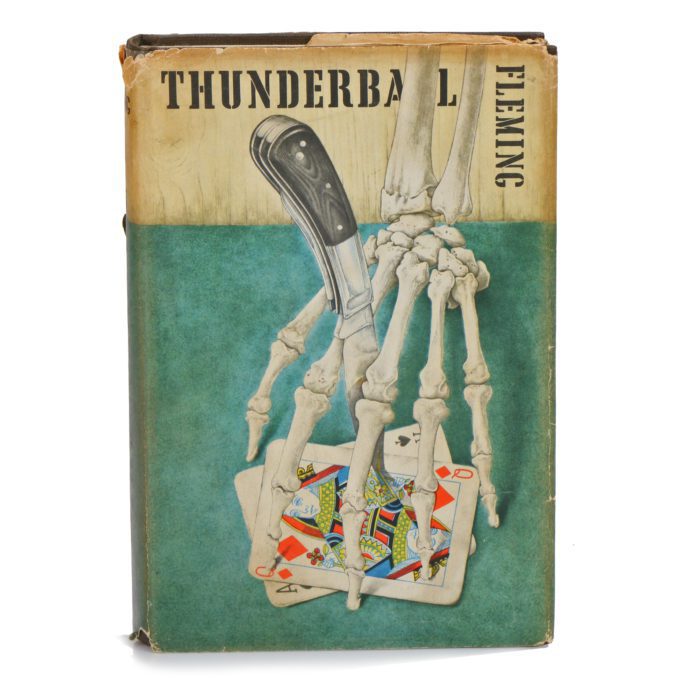
Bishop & Miller’s sale highlights include a signed copy of Ian Fleming’s Thunderball and a signed first edition of Nancy Mitford’s Love in a Cold Climate. Each copy needs its own assessment; an author’s name alone does not establish value.
Book valuations: what matters?
Edition and printing
Author, title, publisher, date and printing details help establish what a book is. A later edition can share a title and appearance with an earlier one. Clear photographs of the printed details give us a better starting point than a description such as “very old”.
Condition and completeness
Bindings, pages, illustrations and dust jackets all form part of the assessment. Tell us about damage, staining, annotations or missing material. Do not tape loose pages, replace a jacket or commission repairs before asking for advice.
Signatures and history
An inscription, bookplate or documented connection to a former owner may help with research. Photograph those details and explain how the book came to you. Distinguish written records from family recollections.
Demand for the particular copy
An estimate considers the copy and the market for comparable works. Online asking prices may relate to a different edition, printing or condition. Age alone does not make a book rare or suitable for an individual auction lot.
A free auction valuation is a guide to a possible sale result. Photographs may provide an initial view, followed by an inspection or further research where needed.
Antique map auctions and atlases
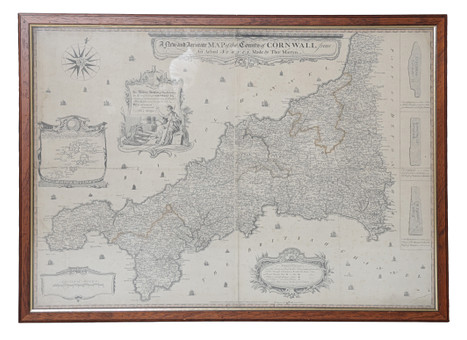
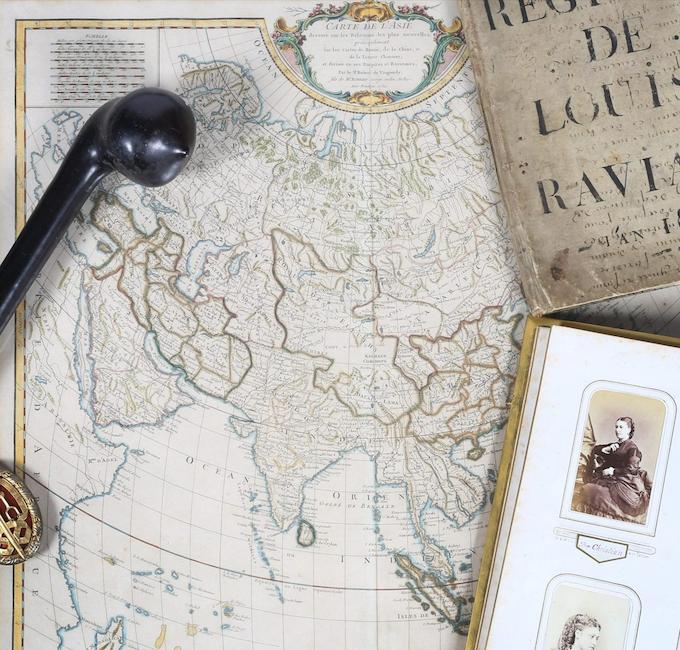
Our map auctions cover cartographic works collected for their geography, printing, decoration and history. Send a full view of a map and close-ups of its title, maker or publisher, date and any visible printing details.
For an atlas, show the title page, binding and contents list. Tell us whether maps or plates are loose or known to be missing. Keep the atlas intact; do not remove individual maps for an assessment or sale.
Condition information is useful here too. Show folds, tears, staining, repairs and any trimmed edges. Leave a framed map in place for the first photographs and explain which parts of the sheet are visible.
The department’s highlights include John Speed’s A New and Accurate Map of the World, dated 1651. For travel books, expedition records and related objects, explore our Travel & Exploration department.
Manuscripts, letters and historic documents
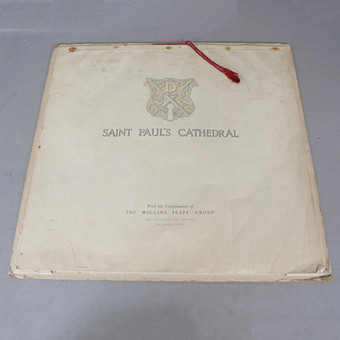
The department also considers handwritten material, autographed letters, historic documents, early photographs and archives. Begin with an overview of the group, then show dates, signatures, headings and any details that help explain its contents.
Tell us who created or collected the material, what period it covers and how it came into your ownership. Keep envelopes, labels and related papers together, since their order may help explain the history.
There is no need to transcribe an entire archive before contacting us. A brief account of the subject and approximate number of documents will help us discuss the assessment needed. Further research may be required before an attribution or description can be confirmed.
For naval or scientific papers alongside instruments and objects, see Scientific & Maritime. You can make one enquiry about a mixed collection.
Selling a book collection or library
Start with photographs of the shelves and an outline of the subjects, authors or periods represented. Give the collection’s location and approximate size, and tell us whether there is a catalogue or inventory.
You do not need to select the most valuable books yourself. Keeping the group together for the first assessment can help us understand its range and discuss whether works should be sold individually or in groups.
Our Private Collection of Books catalogue shows one example of a subject-led collection, with reference works covering Chinese art, jewellery, silver and furniture.
For a large library, discuss the arrangements before boxing or transporting everything. Explain any access issues, deadline or pieces you intend to retain so we can consider a practical next step.
From valuation to auction
Send photographs and a short description of the books, maps or papers you would like to sell. We can discuss suitability for auction, the assessment needed and a possible sale route.
Before consigning, ask about estimates, reserve options, commission and any other agreed costs. Our selling guide explains the process and current terms. An auction estimate is not a fixed purchase offer or a guaranteed price.
For inherited libraries or archives, tell us if you need a formal estate valuation. Our probate and insurance valuation service deals with those requirements separately from a free auction estimate.
Buying books, maps and manuscripts
Browse our auction calendar and catalogues for available sales. Read the full description and condition information, including edition details and any statements about completeness. Ask about anything unclear before bidding.
For books, check whether a dust jacket, plates or accompanying volumes are included. For maps, check sheet dimensions, framing and condition. For archives, establish the scope of the lot rather than assuming the main photograph shows every document.
Viewing may help with details that are hard to judge online; arrangements are given with the relevant sale. Our buying guide explains registration and bidding. Include the applicable fees, VAT and transport costs in your budget.
Request a book, map or manuscript auction estimate
Tell us about the work or collection you are considering selling. Add photographs of title pages, publication details, signatures or map titles where relevant. For libraries and archives, include an approximate size and location.
Sale Highlights

Sold for£4,500
John Speed – A new and accurate Map of the World 1651
Estimate: £3,000 - £4,000

Sold for£600
Nancy Mitford, Love in a cold climate, author signed first edition
Estimate: £100 - £150

Sold for£1,200
John Wallis Complete voyage round the World game 1802
Estimate: £800 - £1,200

Sold for£6,000
Ian Fleming, Thunderball, signed by the author, first published 1961
Estimate: £500 - £700

Sold for£4,300
1640 Leather Bound Last Black-Letter Bible containing the New and Old Testament
Estimate: £1,200 - £1,500
Antique Valuations
Bishop & Miller offer a free, no obligation valuation service on a wide range of objects.
Offering full service and guidance whether it’s a single item for valuation and auction or probate and insurance valuations. Our team of dedicated professionals are on hand to help with every aspect of your auction experience.
Our Departments


Tailored Auction Alerts
Please select all that apply and we'll send you alert when catalogues become available. You can update your alerts or unsubscribe at any time.
Please select...
Contact The Team