Free auction valuations: send photos online or WhatsApp 07377 885 423.

Close

Modern Art and Design Auctions
Bishop & Miller’s Modern Art & Design department handles paintings, sculpture, prints, photographs, ceramics and furniture. From Art Nouveau and Art Deco to post-war design and contemporary makers, we help buyers and sellers explore a wide range of styles.
Thinking of selling a work of art or a piece of design? You do not need to know its maker or value before getting in touch. Send photographs and any details you hold, and our team can discuss its suitability for auction.
Request a free modern art and design auction valuation
Modern and contemporary art
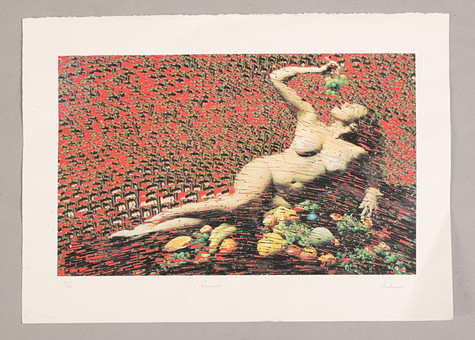
Paintings and works on paper
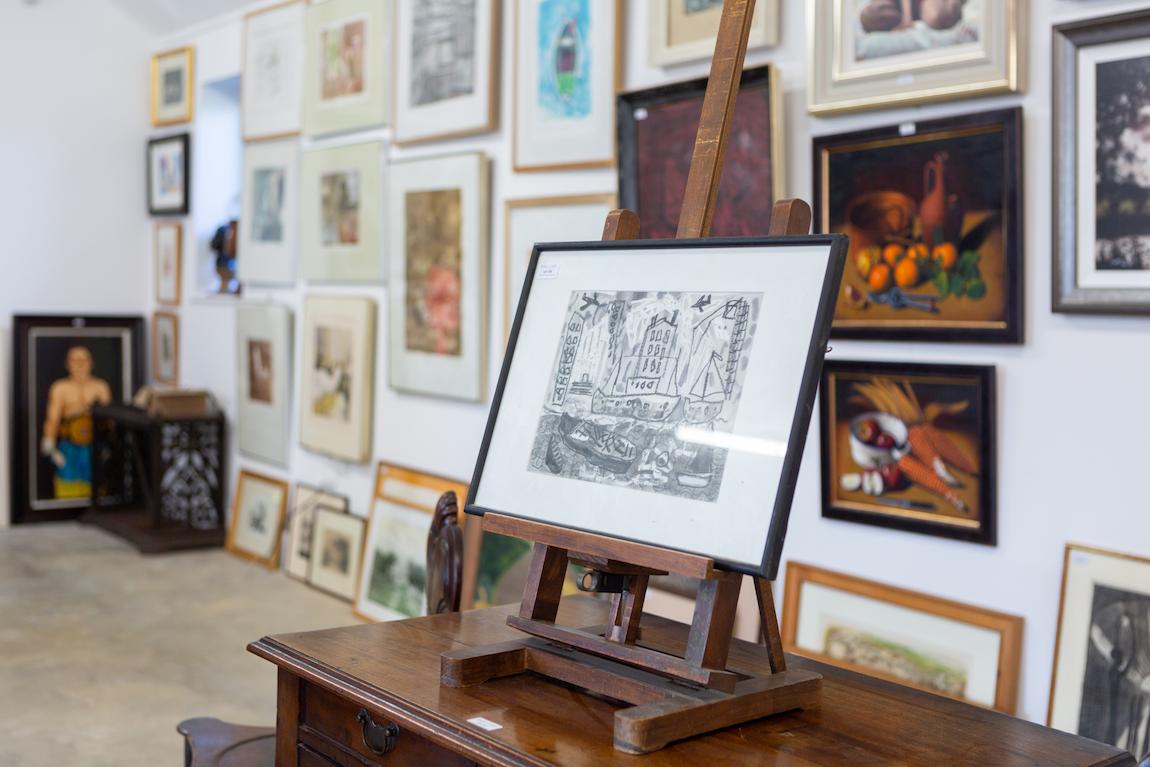
The department considers modern and contemporary paintings, drawings and other works on paper. Show the whole work, its frame and any signature, date or inscription. Labels on the reverse and records of purchase can help us research a piece.
Prints and photographs
For prints, include photographs of the image, margins, signature and edition number where visible. Tell us whether the work is framed and share any gallery paperwork. For photographs, include details of the photographer, edition and printing process if these are known.
Sculpture and three-dimensional works
Photograph sculpture from several angles, including its base and any marks. Give dimensions and explain the material if you know it. Let us know about missing parts, repairs or any fittings needed to display it.
Our Paintings, Pictures & Prints department covers the wider field of pictures across different periods. If you are unsure which department fits your work, send one enquiry and we can advise.
Twentieth-century design and furniture
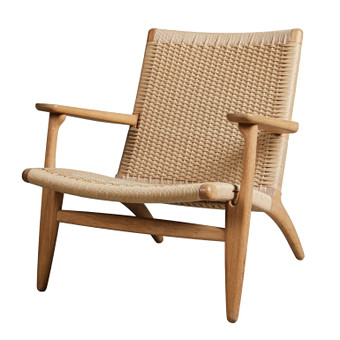
Art Nouveau and Art Deco
Furniture and decorative objects from these periods can be assessed for their design, materials, maker and condition. Include photographs of labels, stamps and fittings alongside an overall view. An old receipt or catalogue entry may help explain the history of a piece.
Mid-century furniture
Chairs, tables, cabinets and other post-war furnishings may have interest as individual pieces or as a group. Show the front, back and underside where this is easy to do. Give dimensions and tell us about changes to upholstery, finishes or fittings.
Lighting and decorative design
For lighting, glass and other designed objects, show any maker’s marks and the parts that belong together. Tell us about damage, replacement components or changes you know of. Ask before dismantling a piece or arranging repairs for sale.
The Furniture & Antiques department covers furniture and furnishings more broadly. We can discuss the right sale route without you having to identify a designer first.
Studio pottery and ceramics
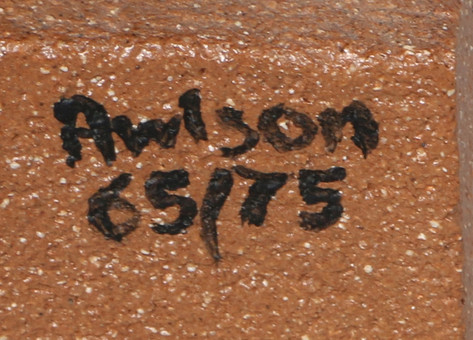
Studio pottery brings together form, glaze and the individual maker’s approach. A small bowl or vase may merit a closer look, just as a larger collection does. Send an overall photograph and a clear view of the base, including any impressed or painted marks.
Marks can help with research, but they need to be considered alongside the whole piece. Tell us where it was bought, whether it came directly from a maker or gallery, and whether there are receipts or other records.
Photograph chips, cracks, repairs and any other condition issues. Keep labels and paperwork with the objects they relate to. For a collection, start with group photographs so we can see its range.
Our Ceramics & Glass department provides a related route for ceramics from other periods. We can advise where a piece or collection is best placed.
Explore our Modern Design and Modern British & 20th Century Art pages for related areas of the department.
What informs an auction valuation?
Artist, designer or maker
A signature, label or mark provides a starting point for research. It does not establish an attribution on its own. Share the information you have, including any uncertainty, so the assessment can consider the evidence together.
Condition and originality
Repairs, fading, surface damage and later changes can affect buyer interest. With furniture and design, original components and finishes may also matter. Please tell us about alterations even if they were made before you owned the piece.
History and supporting records
Gallery invoices, exhibition labels, correspondence and earlier catalogue entries can help establish a work’s history. Keep documented facts separate from family recollections, and send copies of relevant records with your photographs.
Comparable works and the market
An estimate considers the particular work and the market for comparable pieces. Size, medium, edition and condition can make two works by the same artist quite different prospects. An initial view from photographs may need an inspection or further research.
A free auction estimate is a guide to a possible sale result. It is not a guaranteed price or an insurance replacement valuation.
Selling modern art and design at auction
Start with photographs, dimensions and a short account of what you would like to sell. Include its location and any deadline you need to work towards. You can enquire about a single work, several pieces or a collection.
We will discuss the assessment needed and a suitable sale route. Before you consign, ask about the estimate, reserve options, commission and any other agreed charges. Our selling guide explains the process and current terms.
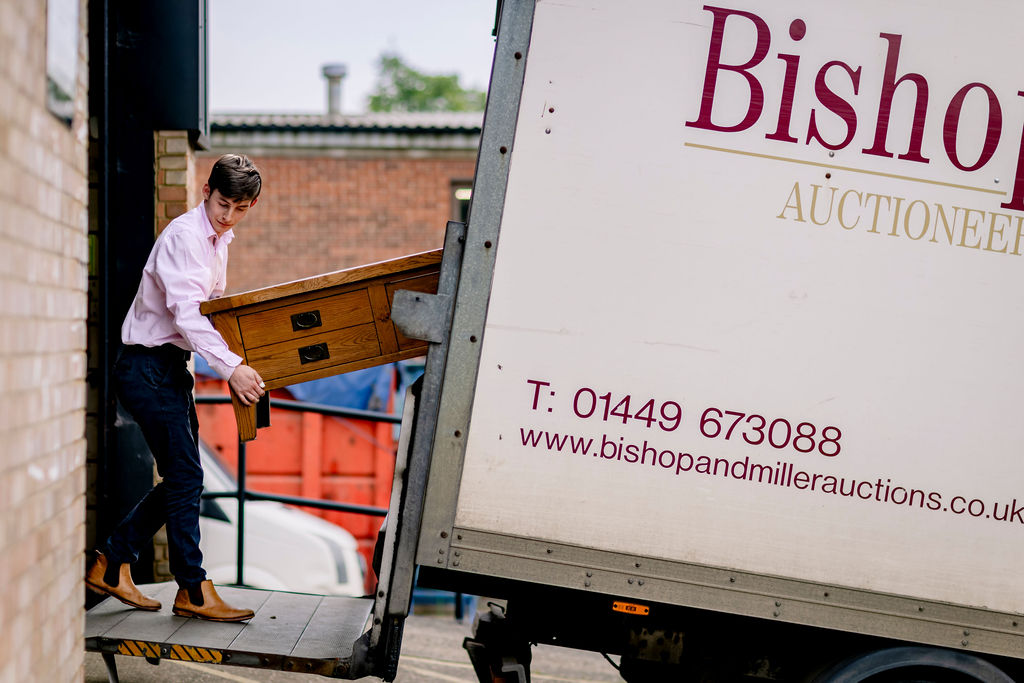
For larger furniture or a substantial collection, begin with an overview before moving anything. We can discuss whether a saleroom appointment or home visit would be useful, and what arrangements may be needed for transport.
Inherited art and collections
You can ask for advice even if you have little information about an inherited work. Photograph the piece and any labels or paperwork, then tell us what is known about how it came into the family.
For a mixed collection, give us an outline of the whole group. Identify any pieces you wish to keep and explain whether you are acting for yourself or an estate.
If you need a formal estate or insurance valuation, say so at the outset. Our probate and insurance valuation service addresses those needs separately from a free auction estimate.
Buying modern art and design
Browse our auction calendar and catalogues to see available works and sale dates. Read the description, condition information and attribution wording alongside the photographs. Ask for clarification before bidding if any detail is unclear.
Check dimensions, materials and edition details where relevant. For furniture, consider access to your home as well as the space where it will sit. Discuss collection or delivery arrangements for large or fragile pieces before committing to a bid.
Our buying guide explains registration and bidding. Allow for all applicable fees, VAT and transport costs when setting your budget.
Before you send photographs
Use good light and show the whole object before taking close-ups. Include the back or base where accessible, along with signatures, labels and damage. You do not need professional photographs for a first enquiry.
Leave framed works in place and avoid cleaning, polishing or restoring anything for the assessment. Do not turn heavy furniture over or remove fragile fittings just to find a mark. Tell us what you can see safely and we can advise on the next step.
Request a modern art and design auction estimate
Tell us about your artwork, furniture, studio pottery or collection. Add photographs, dimensions and any maker’s details or records you hold. Include its location if you are enquiring about larger pieces.
Sale Highlights

Sold for£2,000
Sydney Nolan, (Australian 1917-1992) Ayers Rock, Mixed media, singed Nolan
Estimate: £1,000 - £1,500

Sold for£4,500
Signed Sherree Valentine Daines (1959) Young boy and young girl standing on a pier
Estimate: £1,000 - £1,500

Sold for£2,000
John Piper (1903-1992) Isle Abbots, Screen print, Kelpra Studio, signed in pencil
Estimate: £1,000 - £1,500

Sold for£1,800
19th Century Rocking Chair, designed by R.W. Winfield
Estimate: £1,000 - £1,500

Sold for£7,800
1930’s Robert “Mouseman” Thompson of Kilburn oak chest of drawers
Estimate: £3,000 - £5,000
Antique Valuations
Bishop & Miller offer a free, no obligation valuation service on a wide range of objects.
Offering full service and guidance whether it’s a single item for valuation and auction or probate and insurance valuations. Our team of dedicated professionals are on hand to help with every aspect of your auction experience.

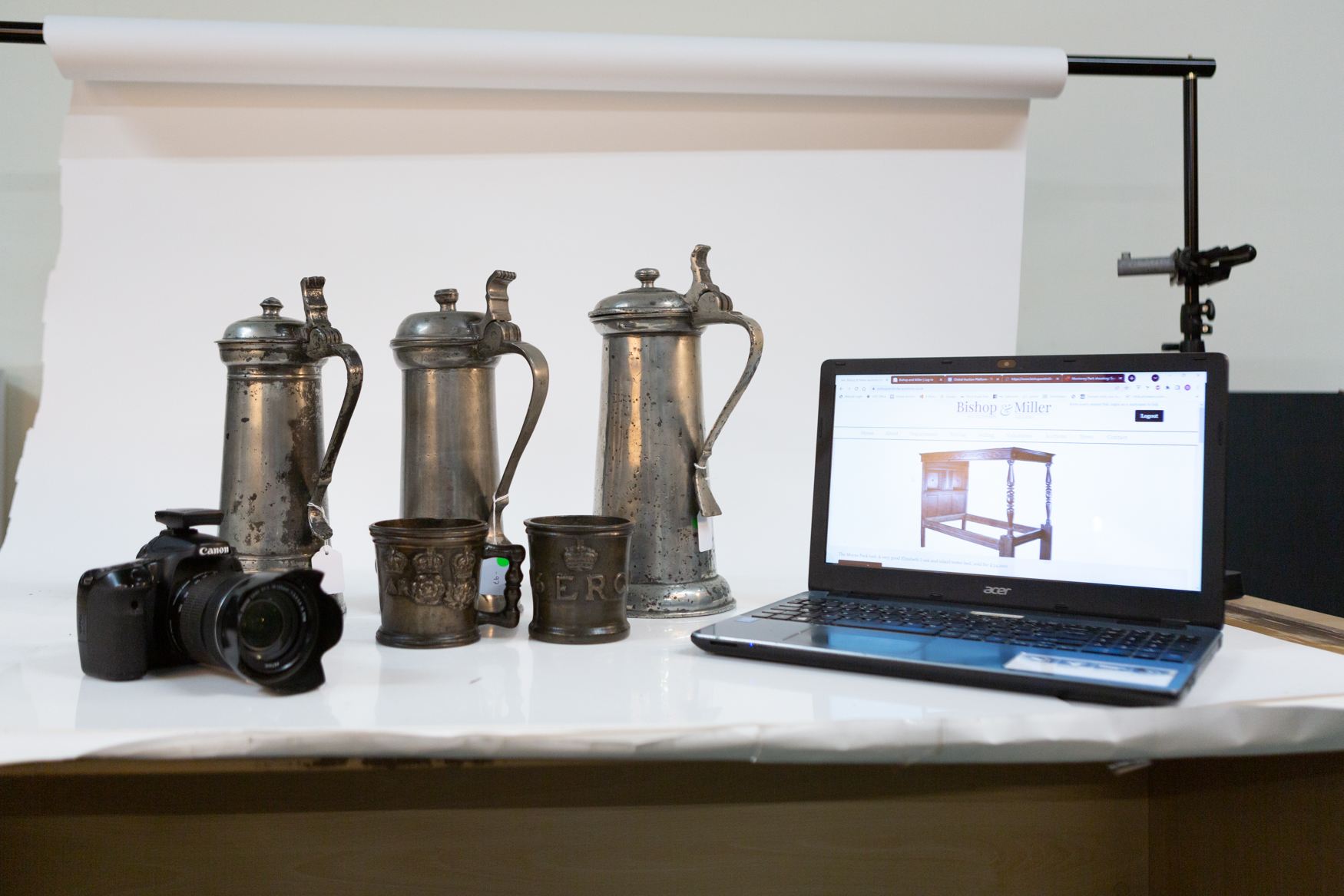
Our Departments


Tailored Auction Alerts
Please select all that apply and we'll send you alert when catalogues become available. You can update your alerts or unsubscribe at any time.
Please select...
Contact The Team