Free auction valuations: send photos online or WhatsApp 07377 885 423.
Close

Coin & Banknote Auctions
Bishop & Miller’s coin auctions bring together British and world coins, gold and silver issues, historic currency, tokens and banknotes. Whether you have one coin to sell or a collection built over years, our team can help you take the next step.
You do not need to know a coin’s date, rarity or value before asking for advice. Send photographs and any details you hold, and we can discuss its suitability for auction and an initial estimate.
Request a free coin auction valuation
Selling coins at auction
Start with a short description of what you have. This might be a single gold coin, an album of British coins, boxed proof sets or a mixed collection inherited from family. Include photographs and say roughly how many pieces there are.
We can discuss whether auction is a suitable route, what further assessment is needed and how the coins might be grouped for sale. You do not need to sort or identify every coin before getting in touch.
Before you consign, we will discuss estimates, reserve options and the agreed selling costs. Our selling guide explains the process and current terms. An auction estimate is a guide to a possible result, rather than a guaranteed price or a cash purchase offer.
Coins and collections we assess
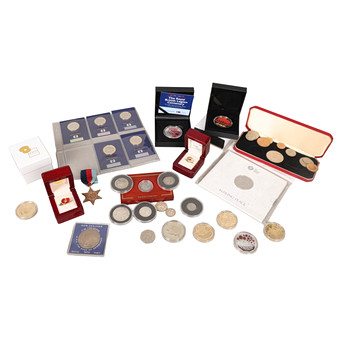
British coins
The department covers British coinage from earlier issues to later pre-decimal and commemorative coins. Gold and silver coins, hammered pieces and milled coinage can all form part of a collection. Send photographs of both sides so dates, portraits and lettering can be seen.
World and ancient coins
Our field includes world coins and ancient currency, including Roman, Greek and Chinese pieces. Keep any identification tickets, purchase records and earlier catalogue descriptions with the coins they relate to. If the origin is uncertain, tell us what you have been told.
Proof sets, boxed issues and tokens
Include original cases, certificates and packaging where you have them. Photograph the set as a whole, along with details of its contents. Tokens and other related pieces can be included in the same enquiry; there is no need to decide which are worth assessing first.
Not every old or commemorative coin is rare. A collection can contain a mix of pieces with different levels of interest, and the assessment will help establish a practical sale route.
Gold coins and sovereigns
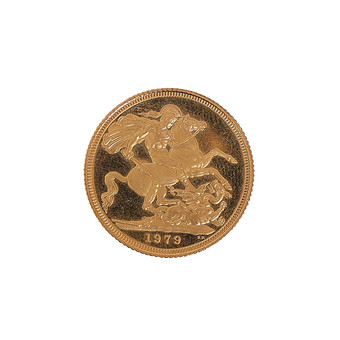
Gold coins need to be considered as individual coins as well as precious metal objects. A sovereign’s date, mint, condition and collector appeal may matter alongside its gold content. A weight-based comparison alone may miss those details.
For sovereigns and half sovereigns, send clear photographs of both sides and any visible mint mark. Include the number of coins and any cases or certificates. If a coin is mounted in jewellery, show the whole setting and leave it in place for the first assessment.
Ask us to assess a coin before deciding how to sell it. The aim is to understand the particular piece and whether it has collector interest beyond its metal content; that cannot be assumed for every issue.
Our guide to selling gold covers the wider assessment of gold objects. For related silverware and precious metal items, see the Silver & Gold department.
Considering selling? Read our guide to selling gold coins and sovereigns.
What affects a coin valuation?
Issue, date and rarity
The issuing country, denomination, date and mint can help identify a coin. Varieties may also matter. An assessment looks at the particular issue and the market for it, rather than assuming age alone makes a coin valuable.
Condition and surface
Wear, scratches, damage and earlier cleaning can affect collector interest. Please show the coin as it is. Avoid polishing or using cleaning products before an assessment, even if the surface looks dull or discoloured.
Metal and collector demand
Gold or silver content may contribute to value, while collector demand can add another element. Two coins with similar metal content can attract different interest. Likewise, a high asking price in an online listing does not establish what another example will achieve.
Records, cases and grading
Original packaging, receipts and earlier sale records can help with research. If a coin is in a sealed grading holder, photograph the holder and its label without opening it. You do not need to pay for grading before making an initial enquiry.
Selling an inherited coin collection
An inherited collection may include albums, loose coins, banknotes and boxes of paperwork. Keep the existing order and labels where possible. They may help connect a coin with its history or the collector’s own notes.
Begin with an overview of the collection and a few clear photographs. Tell us whether there is an inventory, which items the family wishes to keep and whether you are working towards a deadline. We can discuss what needs to be examined in more detail.
If you need a formal estate valuation, explain this at the start. Our probate and insurance valuation service addresses those requirements separately from a free auction estimate.
Banknotes and paper money
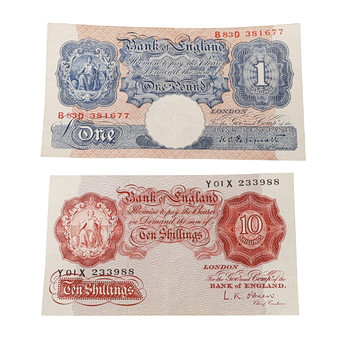
We also welcome enquiries about collectable British and world banknotes. Photograph both sides, keeping any sets or related groups together. Show dates, serial numbers and signatures clearly where possible.
Tell us about tears, folds, writing, stains or repairs. Leave notes in their existing sleeves for the first photographs if they can be seen clearly, and avoid pressing, washing or trying to repair them before seeking advice.
You can include banknotes in the same enquiry as a coin collection. We will discuss their suitability for auction alongside the other pieces.
Photographs for a coin valuation
Use good light and take a clear photograph of each side of the coin. For a collection, add an overview of albums, trays or boxed sets, then close-ups of representative pieces. Avoid stacking coins so their details are hidden.
Photograph any labels and paperwork too. If the collection is already listed, send the list with your enquiry. Keep coins in their holders or capsules where possible, and do not remove them from sealed packaging just to take photographs.
Tell us the approximate size of the collection and where it is located. Please agree delivery or appointment arrangements with the team before sending coins to a saleroom.
Buying at coin auctions
Browse our auction calendar and catalogues for available sales. Read each lot’s full description and condition information, including the number of coins, any stated attribution and whether cases or certificates are included.
Look at both sides of the coins where photographs are available. Ask about details that are unclear, particularly for mixed lots where the main image may not show every piece. Viewing arrangements are given with the relevant sale.
Our buying guide explains registration and bidding. Set a budget that allows for the applicable buyer’s premium, VAT, platform charges and collection or delivery costs.
Request a coin or collection auction estimate
Tell us about the coins or banknotes you are considering selling. Add photographs of both sides, any records you hold and the approximate number of pieces. If your enquiry relates to an estate, please make that clear.
Sale Highlights

Sold for£8,580
A King George IV Inauguration Gold Coin 1821
Estimate: £2,000 - £3,000

Sold for£5,500
Victoria Australian Half Sovereign 1862 Sydney Mint coin
Estimate: £1,000 - £1,500

Sold for£4,000
Scotland Ayrshire, set of four silver pattern, Half Crown, Shilling and Sixpence coins
Estimate: £1,000 - £1,500

Sold for£6,700
Royal Mint, 500th Anniversary issue of the first gold sovereign 1489-1989
Estimate: £2,000 - £3,000

Sold for£4,400
Eleven coin specimen set, Queen Victoria jubilee housed in red leather case of issue
Estimate: £3,000 - £5,000

Sold for£3,000
Edward III gold Noble (1327-77), fourth coinage, pre-treaty period, 1351-61 coin
Estimate: £2,000 - £3,000
Team Members

Antique Valuations
Bishop & Miller offer a free, no obligation valuation service on a wide range of objects.
Offering full service and guidance whether it’s a single item for valuation and auction or probate and insurance valuations. Our team of dedicated professionals are on hand to help with every aspect of your auction experience.
Our Departments


Tailored Auction Alerts
Please select all that apply and we'll send you alert when catalogues become available. You can update your alerts or unsubscribe at any time.
Please select...
Contact The Team